How It Was Built in the Emperor’s Era. Lednice Chateau Opens Exhibition on Housing in the Monarchy Era
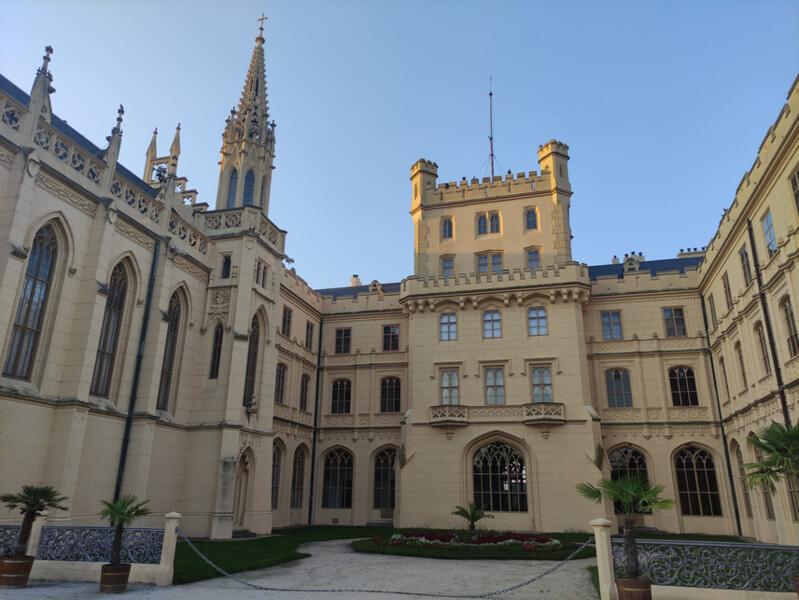
A new exhibition, open from 29 May in the Small Riding Hall of Lednice Chateau, invites visitors on a journey through time and offers a unique opportunity to explore everyday life in urban residential buildings of the second half of the 19th century. Through architectural, technical and social perspectives, it presents a period of extraordinary urban development in Czech and Moravian cities. This building boom fundamentally transformed their appearance and created the characteristic tenement districts that remain an integral part of today’s urban landscape. The exhibition was prepared by the National Technical Museum in cooperation with the National Heritage Institute (NPÚ).
“I am pleased that this exhibition, originally developed in cooperation with the Faculty of Civil Engineering of the Czech Technical University in Prague for the Centre of Building Heritage of the National Technical Museum in Plasy, where it enjoyed great success over several years, can now be installed at Lednice State Chateau and continue to delight visitors on the other side of the country. This is already the second exhibition we have prepared in cooperation with the National Heritage Institute for the chateau riding hall space,” said Karel Ksandr, Director General of the National Technical Museum.
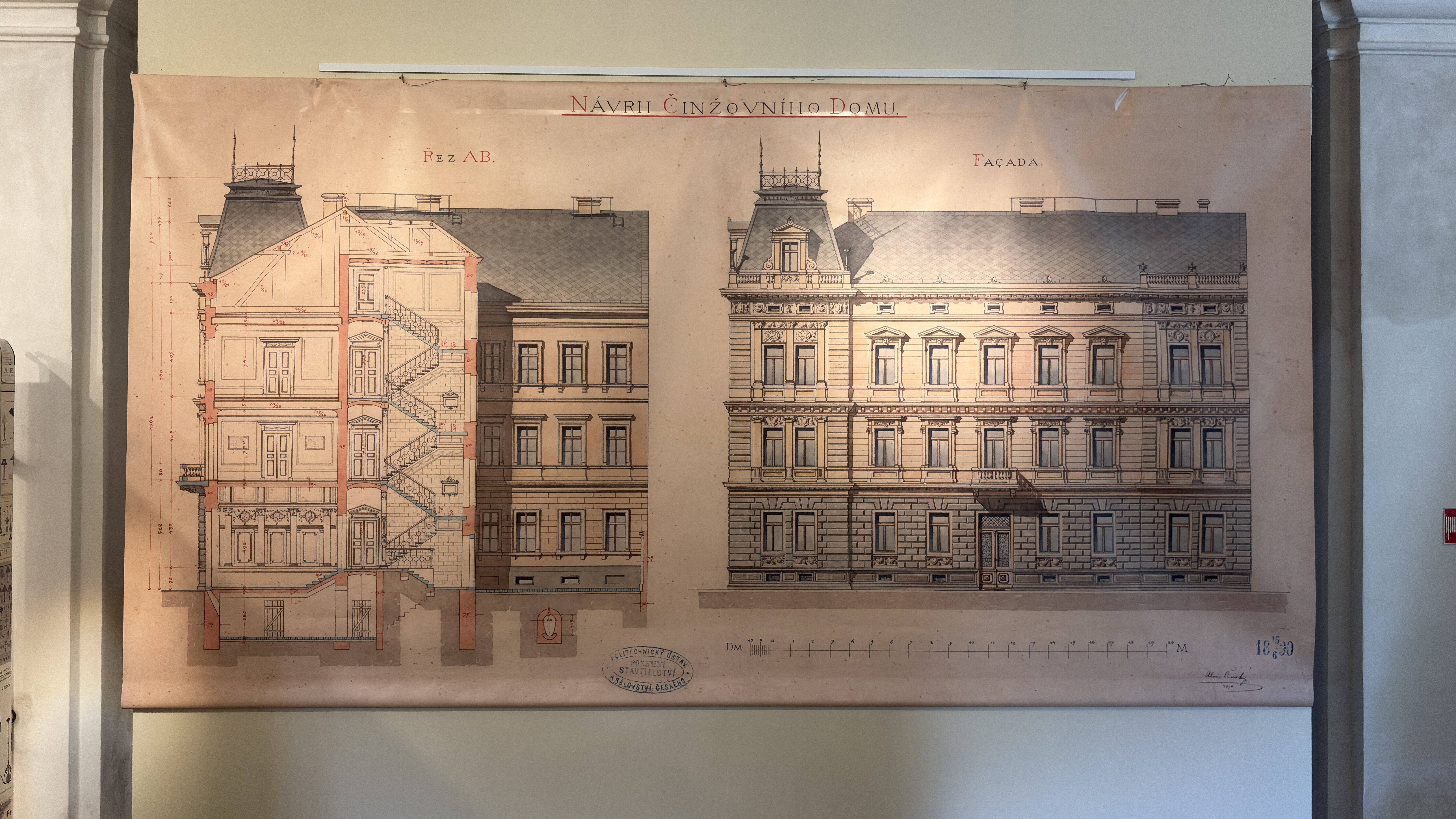
Large-scale construction at the turn of the 19th and 20th centuries was driven, among other factors, by the need to house people moving to cities in search of work and new opportunities. Modern rental housing emerged beyond the demolished fortifications of historic centres and gradually became a symbol of progress, prosperity and changing lifestyles.
“Today, we no longer have any eyewitnesses who could authentically describe the atmosphere of these newly emerging districts – the sounds of busy gallery corridors, the smells of kitchens and workshops, the everyday bustle of tenement houses, or the contrast between modest working-class housing and the refined interiors of bourgeois apartments. The exhibition aims to bring this atmosphere closer to visitors – to transport them into the world of corridor houses, caretaker courtyards, and representative salons furnished with historicist furniture, rich fabrics, lace, upholstery and carpets, which gradually transformed into Art Nouveau, Cubist and later modernist interiors. We are recalling a period that can be seen as a golden age of building and furniture craftsmanship, but also as an era of optimism, romanticism and belief in technological progress and a prosperous future,” said Klára Kroftová, curator of the exhibition.
“With the exhibition How It Was Built in the Emperor’s Era, we are expanding the offer of Lednice Chateau and indeed the entire Lednice–Valtice area. Through visual, audio and interactive installations, visitors are symbolically transported 100 to 150 years back in time and can discover not only how people lived, but also how they lived at the end of the Austro-Hungarian monarchy,” noted Petr Šubík, Director of the NPÚ Regional Heritage Administration in Kroměříž.
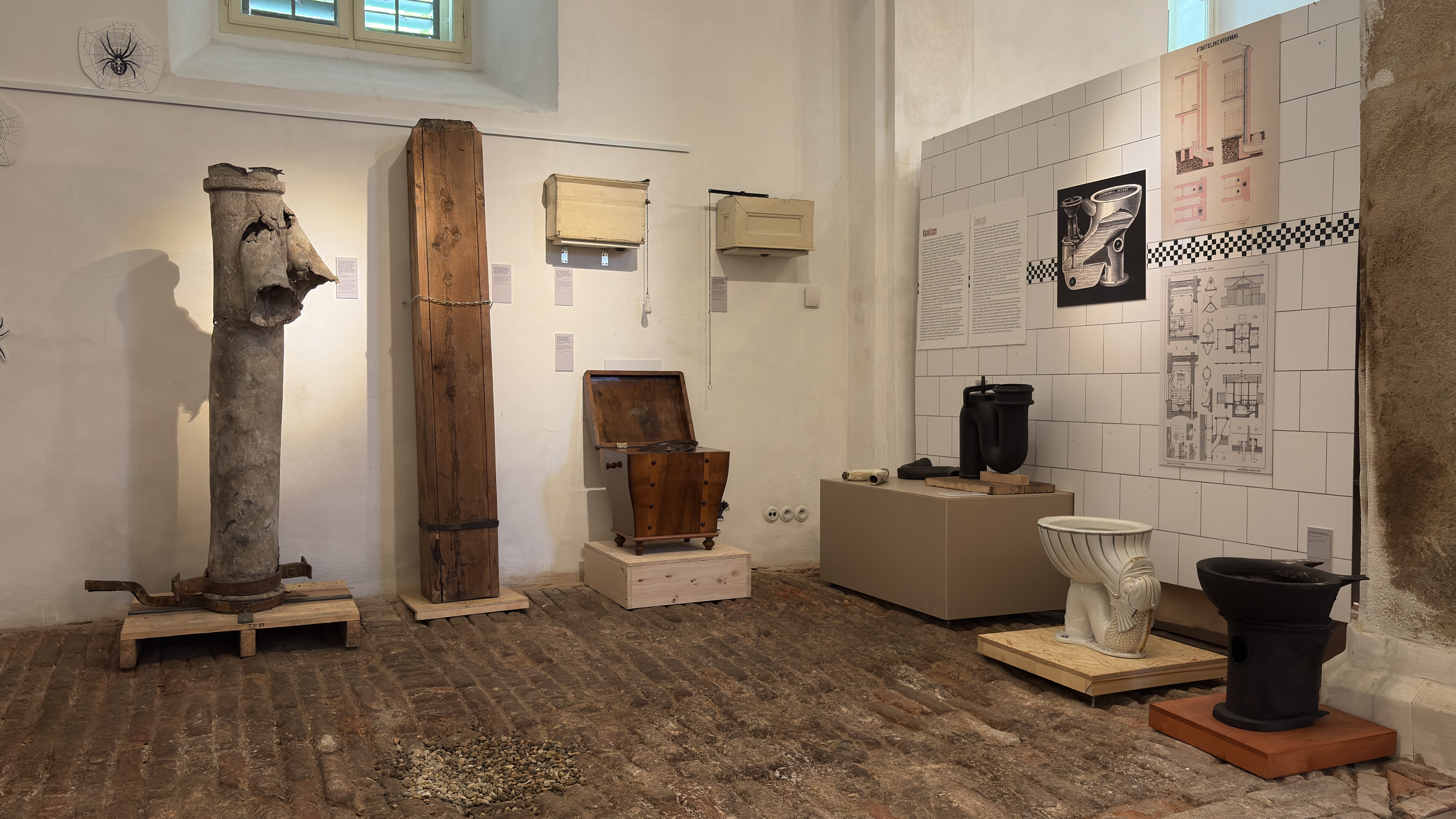
Attention is also given to the functioning of urban tenement houses themselves. Structural arrangements and technical building elements of exteriors and interiors – which significantly influenced everyday life, such as water supply, sewage systems, heating, lighting, sunlight and ventilation – are now taken for granted, and it is difficult to imagine that this was not always the case.
The exhibition features authentic historical objects of everyday use, household equipment and architectural details, mostly from the collections of the National Technical Museum, as well as the National Heritage Institute. It also includes period stereophotographs and a contemporary 3D tour of an exclusive tenement house in Pařížská Street in Prague, prepared by the Department of Architecture at the Faculty of Civil Engineering of the Czech Technical University. A small “study room” is part of the exhibition, offering visitors access to three volumes of Traditional Urban Architecture and Building Crafts at the Turn of the 19th and 20th Centuries and a critical catalogue for the exhibition Traditional Building in the Era of Emperor Joseph. These publications are intended not only for professionals in heritage conservation and architecture, but also for owners of tenement buildings and anyone interested in building culture, traditional crafts and the heritage of our ancestors.
The exhibition How It Was Built in the Emperor’s Era thus serves as a brief pause in the flow of history and an attempt to recall the extraordinary building and craft effort of its time – what the most modern technical achievements looked like, what fashion trends they followed, and how they appealed to human senses.
The exhibition was created in cooperation between the National Heritage Institute and the National Technical Museum on the occasion of the 30th anniversary of the inscription of the Lednice–Valtice Cultural Landscape on the UNESCO World Heritage List.